

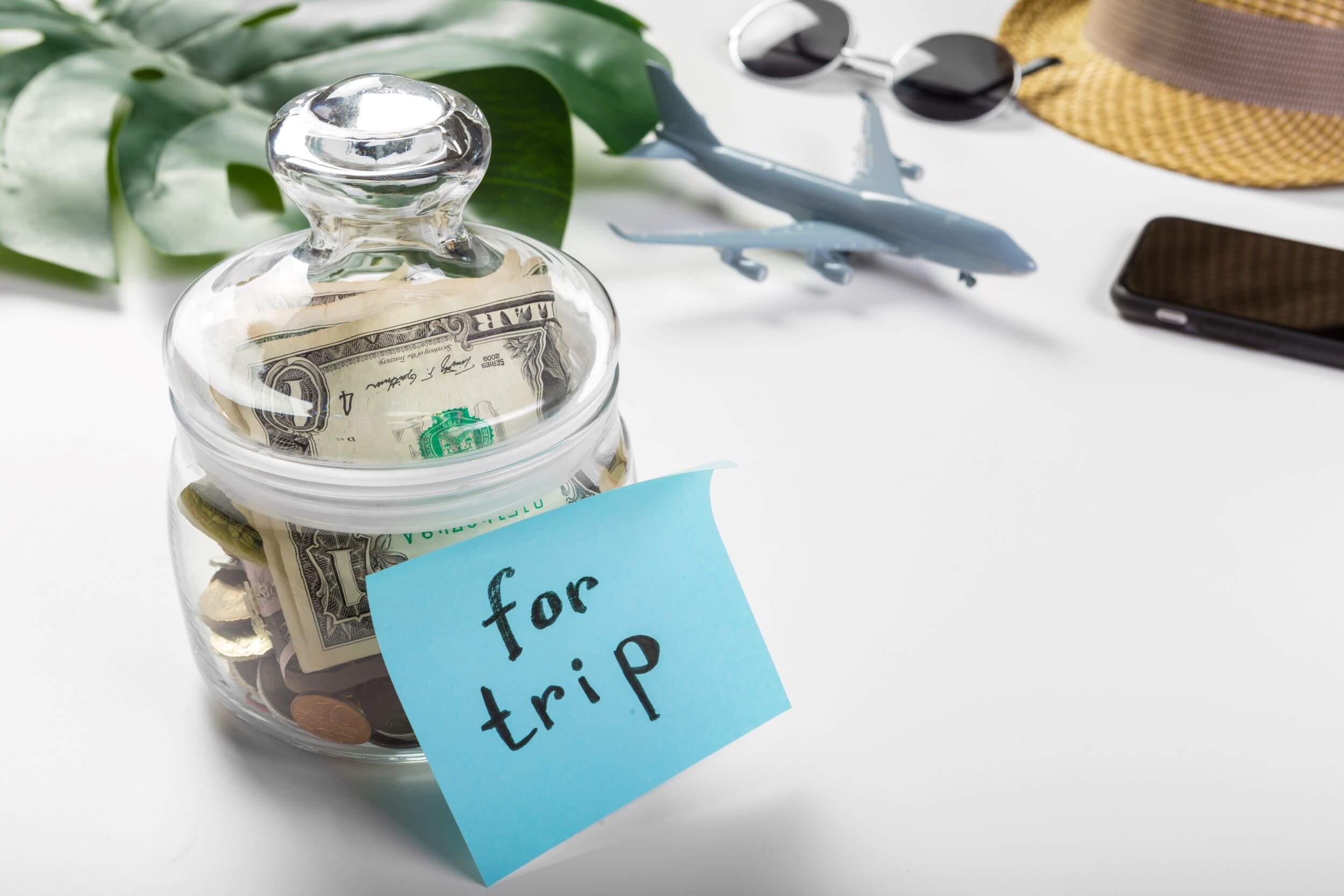
Top 10 ways to save money for a trip
Embarking on an adventure of a lifetime starts with careful financial planning. Saving up for a trip not only brings you closer to your dream destination but also equips you with valuable budgeting skills that can benefit you long-term. Whether it’s a serene beach getaway or a cultural tour across continents, having a solid savings plan ensures a stress-free and enjoyable experience. Here, we’ll explore strategies to help you save for your trip and make it unforgettable.
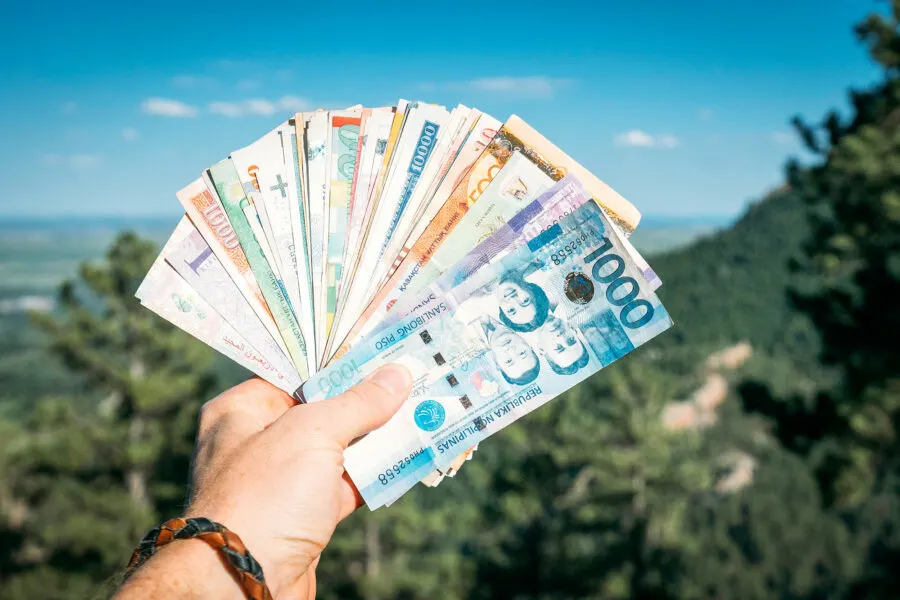
Estimating your travel costs
Before you start saving, you need to determine how much money you’ll need for your trip. This involves breaking down potential expenses into key categories to create a realistic budget. Here are some of the main costs to consider:
- Transportation: Include airfare, train tickets, car rentals, or other travel-related expenses.
- Accommodation: Research the average cost of hotels, hostels, or vacation rentals in your destination.
- Food and drinks: Allocate funds for dining out, groceries, and local delicacies.
- Activities and sightseeing: Account for entry fees, tours, and entertainment.
- Emergency fund: Set aside money for unexpected expenses like medical needs or unforeseen delays.
It’s wise to overestimate slightly to ensure you’re prepared for any surprises along the way.
Using a savings calculator to plan
A savings calculator can be a powerful tool to streamline your planning. It helps you set clear goals by calculating how much you need to save each week or month to meet your target. Here’s how you can use one effectively:
Setting your savings target
- Determine total costs: Sum up all anticipated expenses, including transportation, accommodation, and daily spending.
- Set a timeline: Decide when you want to take the trip and use that date to calculate your savings deadline.
- Calculate weekly or monthly savings: Divide the total amount by the time left to see how much you need to save regularly.
- Adjust your plan: If the savings goal feels overwhelming, consider revising your trip details or extending your timeline to make it more achievable.
By using this method, you’ll have a clear roadmap to reach your financial goal.
Budgeting tips for different destinations
The cost of a trip varies greatly depending on where you’re headed. Here’s an example of how expenses can differ across destinations in Europe:
A week in Amsterdam
Amsterdam, known for its vibrant culture and picturesque canals, is relatively expensive. A one-week trip for two people typically costs around €1,800, excluding flights. This budget includes mid-range accommodations, meals, and sightseeing.
A week in Poland
Poland offers a more budget-friendly option, with a week-long trip for two averaging around €800, excluding flights. Despite being more affordable, it still provides rich cultural experiences and stunning landscapes.
These examples highlight the importance of tailoring your savings plan based on your chosen destination.
Why you should over-budget?
When planning your travel budget, overestimating your expenses is a smart move. Here’s why:
- Unexpected costs: Emergencies or spontaneous plans, like a last-minute activity or an unplanned purchase, can arise.
- Currency fluctuations: Exchange rates can shift, potentially increasing your expenses.
- Stress-free travel: Knowing you have extra funds provides peace of mind and allows you to enjoy your trip without financial worries.
Over-budgeting ensures you’re prepared for the unexpected and can fully immerse yourself in the experience.
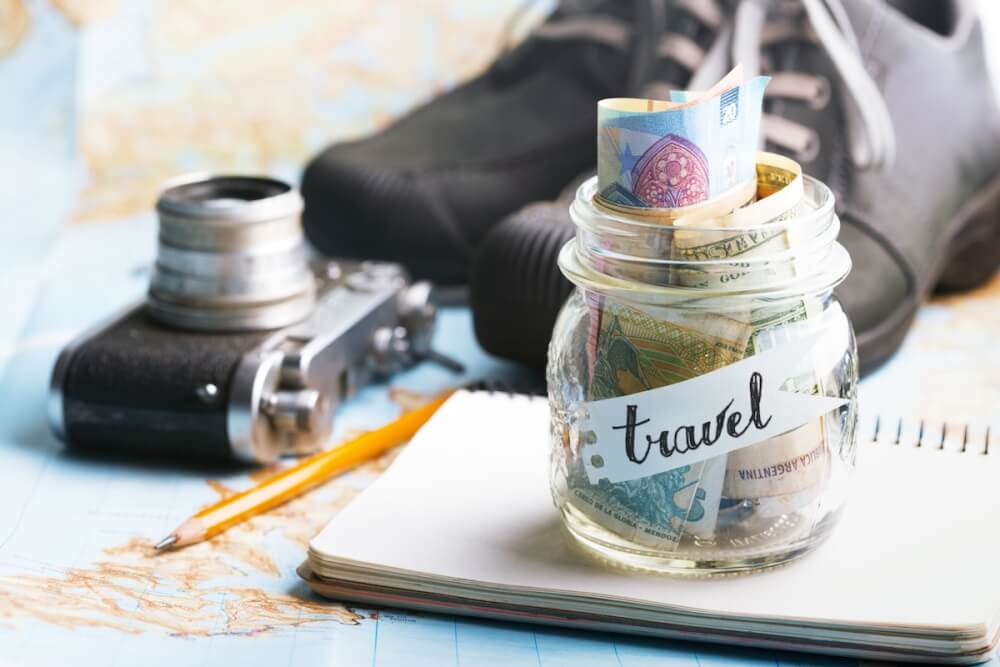
Planning for long-term adventures
If your goal is an extended trip, such as a months-long journey through Europe or Asia, additional considerations come into play:
- Slow travel: Opt for longer stays in fewer destinations to reduce transportation costs.
- Seasonal timing: Travel during off-peak seasons for lower prices on flights and accommodations.
- Work while traveling: Explore opportunities like remote work, volunteering, or teaching to offset expenses while abroad.
Long-term trips require more detailed planning, but they also offer the chance to immerse yourself deeply in the culture and lifestyle of your destination.
Steps to save money for your next trip
Planning a trip is exciting, but saving money for it can feel challenging. With some strategy and dedication, you can grow your travel fund without overwhelming yourself. Here’s how to prepare financially for your dream vacation.
Track your spending habits
Before you start saving, it’s important to understand where your money goes. Begin by recording your income and expenses for at least one month. This helps you identify spending patterns and areas where you can cut back. You can use a notebook, a spreadsheet, or budgeting apps like Mint or YNAB to track your finances. Reviewing your bank statements can also reveal unnecessary charges or overlooked expenses.
Differentiate between fixed and flexible expenses
Once you have a clear picture of your spending, categorize your expenses into fixed and flexible costs. Fixed expenses include rent, mortgage payments, utilities, and debt repayments—costs that are harder to adjust. Flexible expenses, on the other hand, cover areas like dining out, shopping, entertainment, and subscriptions. These are often easier to modify and offer the best opportunities for saving.
Reduce unnecessary spending
Cutting back on flexible expenses is one of the most effective ways to save money for your trip. For instance, you can save significantly by planning your meals and shopping with a grocery list, avoiding impulse purchases. Review your subscriptions and cancel those you no longer use regularly. Adopting no-spend days, where you avoid any unnecessary purchases, can also contribute to your savings. These small, consistent changes add up over time.
Open a separate savings account
To avoid dipping into your travel funds for everyday expenses, open a dedicated savings account. This separation helps you stay focused on your goal. Automating monthly transfers to this account ensures consistent contributions without the need for constant reminders. Look for an account with minimal fees and a favorable interest rate to maximize your savings.
Set realistic savings goals
Having a clear and realistic goal for your trip makes saving more manageable. Determine the amount you need, then break it down into smaller, achievable milestones. For example, if your trip costs $3,000 and you plan to travel in a year, aim to save $250 each month. Regularly assess your progress and adjust your savings plan as needed. If saving becomes too difficult, extend your timeline or revise your monthly targets. Conversely, if you find saving easier than expected, aim to set aside a bit more.
Find creative ways to cut large expenses
Reducing major costs like rent and utilities can free up substantial funds. Downsizing your living arrangements or sharing a space with roommates can significantly lower your rent. To cut utility bills, switch to energy-efficient appliances and research providers that offer more competitive rates. These changes may require some effort upfront but can lead to long-term savings.
Earn extra income
In addition to cutting expenses, increasing your income can speed up the process of saving for your trip. Consider taking on freelance work, such as writing, graphic design, or tutoring, depending on your skills. Temporary jobs, like waiting tables or delivering groceries, can also provide a quick financial boost. If you have unused items at home, selling them online is another way to add to your travel fund.
Stay motivated with visual reminders
Maintaining motivation is key to staying on track. Keep visual reminders of your travel destination in places you see daily. Set a photo of your dream destination as your phone background or create a vision board with pictures and notes about your trip. These small actions help you focus on your goal, especially during moments of temptation to overspend.
Explore remote work options
If you’re planning a longer trip, consider working remotely to sustain your travels without depleting your savings. Many employers now offer flexible work arrangements, allowing you to earn an income while exploring new places. Research affordable destinations where your money can stretch further, and balance your work and leisure time by setting clear boundaries for yourself.
Review your progress regularly
As you save, it’s essential to check in on your progress. At the end of each month, evaluate how well you’re meeting your goals and make adjustments if necessary. If you’re falling short, identify areas where you can cut back further or revise your savings plan. Celebrate small victories along the way to keep yourself motivated and reinforce your commitment to your trip.
Saving for your dream vacation is a journey in itself, but with thoughtful planning and consistent effort, you can turn your travel aspirations into a reality.
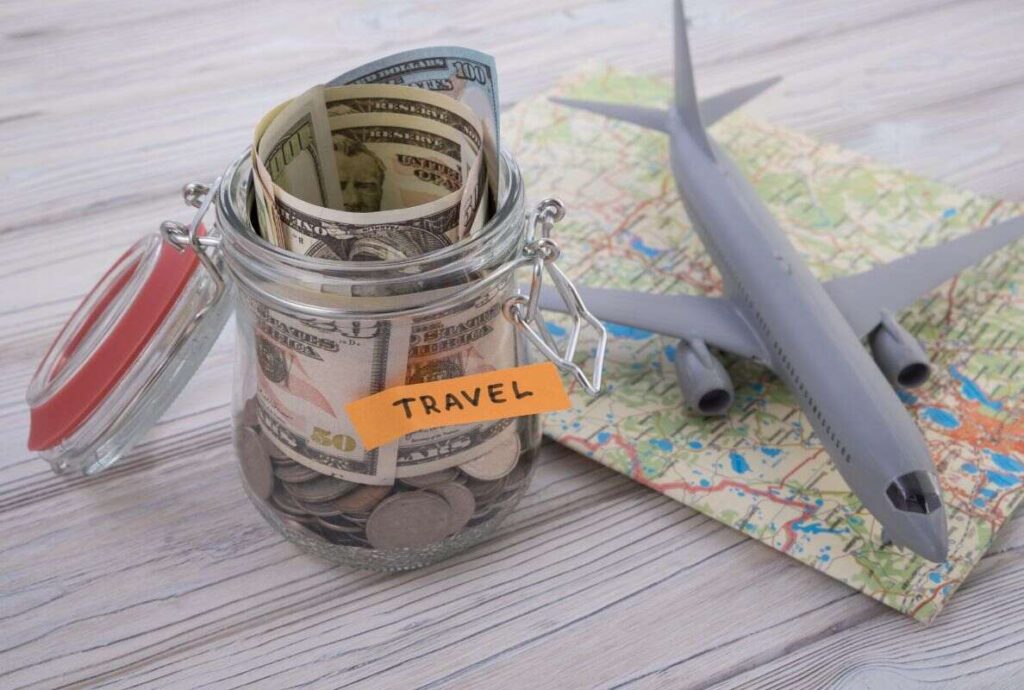
Steps to save money for your next trip
Planning a trip is exciting, but saving money for it can feel challenging. With some strategy and dedication, you can grow your travel fund without overwhelming yourself. Here’s how to prepare financially for your dream vacation.
Track your spending habits
Before you start saving, it’s important to understand where your money goes. Begin by recording your income and expenses for at least one month. This helps you identify spending patterns and areas where you can cut back. Use a notebook, spreadsheet, or budgeting apps to track your finances. Reviewing your bank statements can also uncover unnecessary charges or overlooked expenses.
Differentiate between fixed and flexible expenses
Once you have a clear picture of your spending, categorize your expenses into fixed and flexible costs. Fixed expenses include rent, mortgage payments, utilities, and debt repayments—costs that are harder to adjust. Flexible expenses, such as dining out, shopping, entertainment, and subscriptions, are easier to modify and provide the best opportunities for saving.
Reduce unnecessary spending
Cutting back on flexible expenses is one of the most effective ways to save money for your trip. Plan meals and stick to a shopping list to avoid impulse purchases. Evaluate your subscriptions, cancel those you no longer use, and adopt no-spend days where you avoid making unnecessary purchases. These adjustments can have a significant cumulative impact.
Open a separate savings account
To ensure your travel funds remain untouched, open a dedicated savings account. This separation helps you stay focused on your goal. Automate monthly transfers to this account, ensuring consistent contributions without requiring constant reminders. Choose an account with minimal fees and favorable interest rates to maximize your savings.
Set realistic savings goals
Having a clear, realistic goal makes saving more manageable. Determine the amount you need and break it into smaller, achievable milestones. For instance, if your trip costs $3,000 and you plan to travel in a year, aim to save $250 monthly. Regularly assess your progress and adjust your plan as needed. Extend your timeline or revise your monthly targets if saving becomes difficult. If saving is easier than expected, aim to set aside more.
Find creative ways to cut large expenses
Reducing major costs like rent and utilities can free up substantial funds. Downsizing your living arrangements or sharing a space with roommates can significantly lower your rent. To cut utility bills, switch to energy-efficient appliances and research providers offering competitive rates. These changes may require effort upfront but lead to long-term savings.
Earn extra income
Increasing your income can speed up the process of saving for your trip. Consider freelance work like writing, graphic design, or tutoring, depending on your skills. Temporary jobs, such as waiting tables or delivering groceries, can provide a quick financial boost. Selling unused items online is another way to add to your travel fund.
Stay motivated with visual reminders
Maintaining motivation is key to staying on track. Keep visual reminders of your travel destination in places you see daily. Set a photo of your dream destination as your phone background or create a vision board with pictures and notes about your trip. These small actions help you focus on your goal, especially during moments of temptation to overspend.
Explore remote work options
If you’re planning a longer trip, consider working remotely to sustain your travels without depleting your savings. Many employers now offer flexible work arrangements, allowing you to earn an income while exploring new places. Research affordable destinations where your money can stretch further, and balance your work and leisure time by setting clear boundaries.
Review your progress regularly
As you save, it’s essential to check in on your progress. At the end of each month, evaluate how well you’re meeting your goals and make adjustments if necessary. If you’re falling short, identify areas where you can cut back further or revise your savings plan. Celebrate small victories along the way to keep yourself motivated and reinforce your commitment to your trip.
Saving for your dream vacation is a journey in itself. With thoughtful planning and consistent effort, you can turn your travel aspirations into a reality.
Saving money for a trip in six months
Planning a trip in six months can be both exciting and overwhelming, especially when you need to save money within a limited time frame. Achieving this goal requires careful planning, dedication, and a few smart financial strategies. Here’s how you can quickly and efficiently save for your dream getaway.
Start with a realistic budget
The first step to effective saving is creating a comprehensive budget for your trip. Include all expected expenses, such as flights, accommodation, meals, activities, and even incidental costs. Break this total into monthly saving targets, which will give you a clear idea of how much you need to set aside each month.
Reduce unnecessary expenses
Identify areas where you can cut back on spending and channel those funds into your travel savings. Some practical ways to reduce your expenses include:
- Cooking meals at home instead of dining out.
- Cancelling or pausing subscriptions like streaming services or gym memberships.
- Avoiding impulse purchases by sticking to a shopping list.
These small sacrifices can make a significant difference over six months.
Boost your income
In addition to reducing spending, look for opportunities to increase your income. A part-time job, freelancing, or selling handcrafted items can supplement your savings. You could also rent out a spare room or monetize a skill, like tutoring or photography, to generate extra funds.
Sell unused items
Take stock of things you no longer use, such as clothes, electronics, or furniture, and sell them online or at local markets. This not only declutters your space but also adds to your travel fund. Popular platforms like eBay or Facebook Marketplace can help you find buyers quickly.
Automate your savings
Set up automatic transfers to a dedicated savings account to ensure consistency. Treat this savings as a fixed expense, just like rent or utilities, to make it easier to stick to your plan. Automating savings removes the temptation to spend the money elsewhere.
Smart ways to save money quickly
If you need to save money faster, consider incorporating these strategies into your plan:
Cut back on grocery costs
Plan your meals ahead of time to avoid unnecessary spending. Buying in bulk and opting for generic brands instead of premium ones can help lower your grocery bill significantly.
Save on transportation
Reduce commuting costs by using public transportation, carpooling, or cycling whenever possible. If you have a car, consider limiting its use to essential trips to save on fuel and maintenance expenses.
Leverage cashback and rewards
If you use credit cards, take advantage of cashback offers or rewards programs. Funnel the money or points you earn into your travel fund, but make sure to pay off your balance each month to avoid interest charges.
Track your progress
Keep an eye on your savings to stay motivated and ensure you’re on track to meet your goal. Use a spreadsheet or budgeting app to monitor your progress and adjust your spending or saving habits as needed.
Stay disciplined and focused
While saving for a trip in six months can be challenging, staying focused on your goal will make it easier. Visualize your dream vacation and remind yourself of the rewarding experience that awaits.
By combining a well-planned budget, reduced expenses, increased income, and automated savings, you’ll be well on your way to funding your next adventure. Your dream trip is closer than you think!

Additional strategies to save for your trip
Create a dedicated travel fund
Open a separate savings account specifically for your trip. This helps you keep your travel money distinct from your regular expenses, reducing the temptation to dip into it for other purposes.
Cut back on non-essential spending
Identify areas in your current budget where you can cut costs. Whether it’s eating out less frequently, canceling unused subscriptions, or opting for public transport, small changes can add up over time.
Leverage rewards and discounts
Sign up for travel rewards programs or credit cards that offer points, miles, or cashback on purchases. These benefits can significantly reduce your overall travel expenses.
Consider a side hustle
If your current income doesn’t allow much room for saving, explore side gigs or freelance work. The extra income can be funneled directly into your travel fund.
The bottom line
Saving for a trip requires strategic planning, whether in four months or on short notice. Create a detailed budget, cut non-essential expenses, and increase your income with side gigs. To save up quickly, automate your savings account. These small efforts will quickly add up, making your dream trip achievable.
FAQs
How can I save travel costs?
Book flights and accommodations in advance, use comparison sites and travel during off-peak seasons to save on travel costs. Also, consider budget airlines and alternative lodging options like hostels or vacation rentals.
How to create a budget for your trip?
Estimate total trip costs, including flights, accommodations, food, and activities. Track your current spending to identify savings opportunities, set clear savings goals, and automate transfers to a dedicated travel savings account.
How to save money on a vacation?
You can save money on a vacation by eating like a local, staying in budget-friendly accommodations, and taking advantage of free attractions. You can also use travel reward points to seek out discounts on activities and tours.
What is the 50/30/20 rule?
The 50/30/20 rule is a budgeting guideline that allocates 50% of your income to needs, 30% to wants, and 20% to savings. It’s a simple way to manage your finances and ensure you save regularly.
How to save money fast?
You can save money fast by cutting non-essential expenses, selling unused items, and taking on a side job. Automate savings transfers and use budgeting apps to track your progress and stay disciplined.