


Implementing an improvement plan: a roadmap for success
In today’s dynamic business world, maintaining relevance and achieving growth requires more than sticking to traditional methods. Businesses must actively analyze and enhance their processes, strategies, and performance to remain competitive. This is where improvement plans serve as a vital tool. These structured strategies help organizations address weaknesses, leverage strengths, and pursue sustainable growth.
Improvement plans act as a blueprint for navigating challenges and unlocking opportunities. They provide clear guidance on refining operations, setting strategic objectives, and fostering a culture of continuous improvement. So, what defines these plans, and how can they be effectively implemented in your business? Let’s delve deeper into crafting successful improvement strategies.
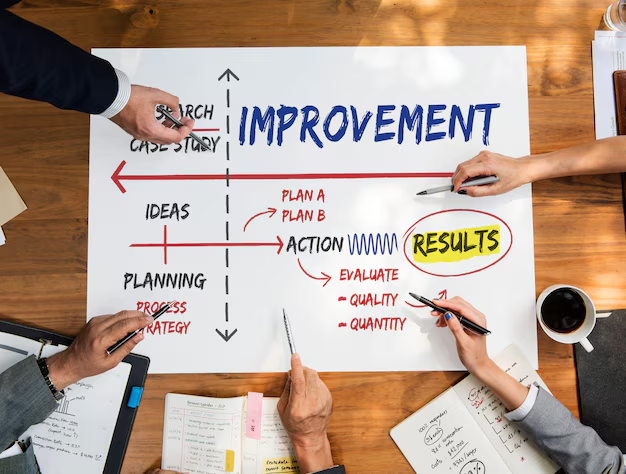
Understanding the types of improvement plans
Improvement plans can target various aspects of a business. Each type serves a unique purpose, contributing to the organization’s overall growth and efficiency.
Enhancing individual performance
Performance improvement plans (PIPs) focus on addressing individual employee challenges. These plans provide a structured approach for employees struggling to meet expectations. By outlining clear goals, timelines, and actionable steps, PIPs ensure mutual understanding between employees and managers about the desired outcomes.
Streamlining processes
Process improvement plans aim to eliminate inefficiencies in workflows. By thoroughly analyzing current procedures, these plans identify bottlenecks and areas of waste. Solutions like Lean and Six Sigma methodologies are often employed to make processes smoother and more cost-effective, ultimately boosting productivity.
Aligning with strategic goals
Strategic improvement plans tackle long-term objectives, helping businesses stay ahead in competitive markets. These plans focus on aligning strategies with market trends, defining clear goals, and charting the best paths to achieve them. They ensure the organization remains agile and capable of adapting to evolving conditions.
Key steps to develop a robust improvement plan
To create an effective improvement plan, it’s essential to follow a structured approach tailored to your business’s needs. Here’s how to go about it:
Assessing where you stand
The journey begins with understanding your current position. Conduct a SWOT analysis to identify strengths, weaknesses, opportunities, and threats. This assessment helps prioritize areas requiring immediate attention while leveraging existing strengths.
Setting actionable goals
Once you have a clear picture of your situation, establish objectives that are SMART—Specific, Measurable, Achievable, Relevant, and Time-bound. For instance, instead of vaguely aiming to “improve customer satisfaction,” a SMART goal would be “increase customer satisfaction ratings by 15% within the next quarter.”
Designing a detailed plan
With goals in place, the next step is developing a comprehensive action plan. Allocate tasks to team members, define required resources, and set realistic deadlines. Breaking the plan into manageable steps ensures clarity and accountability, making execution more seamless.
Monitoring and adjusting
Continuous monitoring is vital to ensure the plan stays on track. Regularly review progress against milestones and make necessary adjustments to address emerging challenges. This iterative process keeps the plan relevant and effective.
Engaging stakeholders for successful implementation
For any improvement plan to succeed, the involvement of key stakeholders is essential. Their support and active participation drive the plan’s adoption and execution.
Securing leadership buy-in
Business leaders play a pivotal role in the success of improvement initiatives. Their endorsement and commitment set the tone for the organization. Clearly communicate the objectives and align the plan with the company’s vision to gain their support. Leaders should actively champion the plan, reinforce its importance, and provide the required resources.
Empowering employees
Employees are often closest to the processes being improved, making their input invaluable. Involve them during the planning stage to gather practical insights and foster a sense of ownership. Open communication and regular updates about the plan’s progress keep employees motivated and aligned with the organization’s objectives.
Fostering collaboration
A culture of collaboration strengthens the implementation of improvement plans. Encourage teamwork across departments to promote the exchange of ideas and problem-solving. Regular meetings, brainstorming sessions, and feedback loops help maintain alignment and drive collective progress.
The long-term benefits of improvement plans
Adopting improvement plans is more than a short-term fix—it’s a long-term investment in your business’s success. By fostering a culture of continuous improvement, businesses can achieve:
- Enhanced operational efficiency, reducing costs and increasing productivity.
- Improved employee engagement, leading to better performance and retention.
- Stronger customer satisfaction and loyalty through refined processes and services.
- Greater adaptability in responding to market changes and emerging challenges.

Strategies for successful implementation
Implementing an improvement plan effectively requires strategic effort to ensure smooth execution and achieve desired results. Below are key strategies to help with the process:
Clear and consistent communication
Effective communication is the cornerstone of successful implementation. Ensure that everyone involved understands the plan’s objectives, their roles, and the timeline. Open communication channels are vital, allowing team members to provide feedback, ask questions, and discuss potential challenges. Regular updates can keep the team aligned and minimize misunderstandings, ensuring the entire organization moves cohesively toward its goals.
Managing change effectively
Change is often met with resistance, making effective change management critical. Explain the reasons for the changes and the benefits they bring to the organization and employees. Providing proper training and resources can help team members adapt more readily to new processes or technologies. Involve influential individuals within the organization to champion the changes and encourage others to embrace them. A positive attitude toward change fosters collaboration and enhances the chances of successful implementation.
Allocating and managing resources
Resource management is essential for the seamless execution of any plan. This includes ensuring adequate allocation of time, budget, and personnel. Regular assessments of resource distribution can help identify and resolve shortages or bottlenecks. Being flexible and proactive in addressing resource challenges helps maintain momentum without disrupting progress.
Regular monitoring and progress evaluation
Consistent monitoring ensures the plan stays on track. Establishing measurable goals or key performance indicators (KPIs) provides a framework for evaluating progress. Regular team reviews and updates allow for identifying potential issues early and making timely adjustments. Recognizing achievements along the way can boost morale and sustain enthusiasm.
Monitoring and evaluating success
Once the implementation is underway, ongoing monitoring and evaluation are essential to ensure it achieves the desired outcomes. Here’s how you can assess and refine your improvement plan:
Setting measurable goals
Establish KPIs that align with the objectives of your plan. These indicators should be specific, measurable, and time-bound, providing a clear benchmark for success. For example, if the goal is to improve customer satisfaction, KPIs might include customer feedback scores or complaint resolution times.
Conducting regular reviews
Frequent progress reviews help assess the plan’s execution and identify areas needing improvement. During these reviews, compare current performance against the KPIs. Discussions during these sessions can provide valuable insights into challenges and potential solutions.
Adapting to changes
No plan is immune to unforeseen challenges. Flexibility is vital to addressing unexpected issues. Adjust timelines, reallocate resources, or refine objectives as needed to ensure the plan continues to progress. A responsive approach keeps the plan aligned with organizational goals, even when circumstances change.
Gathering qualitative feedback
Quantitative data is essential, but qualitative feedback from employees and stakeholders is equally valuable. Regularly seek insights into workflow efficiency, team morale, and other non-numerical aspects. This feedback provides a more comprehensive understanding of the plan’s impact and helps refine the approach for better results.
The value of continuous improvement
Continuous improvement is not a one-time effort; it’s a commitment to ongoing growth and development. This philosophy encourages organizations to regularly evaluate their strategies, processes, and products, ensuring they evolve with changing circumstances and expectations. By adopting a mindset of continuous improvement, businesses unlock numerous benefits that contribute to their long-term success and competitiveness.
Staying competitive in the market
In today’s fast-paced and dynamic business landscape, standing still is not an option. Markets evolve rapidly, influenced by technological advancements, shifting customer preferences, and global trends. Continuous improvement enables organizations to stay ahead of these changes by constantly adapting and refining their operations, products, and services.
This proactive approach gives businesses a sustainable edge over competitors who may be slower to react to market demands. By embracing innovation and regularly enhancing their offerings, companies can position themselves as leaders in their industries.
Boosting efficiency and reducing costs
One of the most immediate benefits of continuous improvement is the ability to enhance efficiency. Streamlining workflows, eliminating unnecessary steps, and identifying areas of waste can significantly improve operational performance. Businesses that focus on optimizing their processes can achieve more with fewer resources, reducing costs without compromising quality.
For instance, implementing automation in repetitive tasks can save time and reduce the risk of human error. Similarly, adopting lean manufacturing principles can minimize material waste while maximizing productivity. These improvements not only boost profitability but also create a more sustainable and environmentally friendly approach to business operations.
Fostering employee engagement
A culture of continuous improvement goes hand in hand with a positive and engaging work environment. Employees are more likely to feel valued and motivated when their feedback is actively sought and implemented. By involving employees in the improvement process, businesses empower their workforce to take ownership of their roles and contribute to organizational success.
When employees see tangible changes resulting from their suggestions, it fosters a sense of pride and satisfaction. Streamlined workflows and improved systems also make their jobs easier and more efficient, reducing workplace stress and burnout. Over time, this leads to higher morale, lower turnover rates, and a more cohesive and productive team.
Enhancing customer experience
Customer satisfaction is the cornerstone of any successful business. Continuous improvement allows companies to consistently meet and exceed customer expectations by refining their products, services, and overall experience. Whether it’s simplifying the purchasing process, enhancing product quality, or offering personalized services, these improvements contribute to stronger customer relationships.
Satisfied customers are more likely to remain loyal and recommend your business to others. This word-of-mouth marketing is invaluable for growth, as it often leads to new customers without significant advertising costs. Furthermore, businesses that prioritize continuous improvement are better equipped to respond to customer feedback, ensuring that their offerings align with evolving needs and preferences.
Encouraging innovation
Continuous improvement is a catalyst for innovation. By fostering an environment where employees are encouraged to identify problems and propose solutions, businesses unlock a wealth of creative potential. This mindset not only addresses immediate challenges but also leads to groundbreaking ideas that can revolutionize operations or differentiate the company in the marketplace.
Innovation doesn’t always have to be monumental; even small changes can have a significant impact. For example, tweaking a product design to make it more user-friendly or adjusting a supply chain process to reduce delivery times can set a business apart from its competitors. Over time, these incremental innovations build up, driving substantial growth and establishing a reputation for excellence.
Building a foundation for long-term success
Continuous improvement lays the groundwork for resilience and adaptability—two essential traits for long-term success. Businesses that embrace this approach are better equipped to navigate challenges, whether they stem from economic downturns, industry disruptions, or shifts in consumer behavior.
By regularly evaluating and enhancing their processes, organizations can identify potential issues before they become critical problems. This proactive mindset ensures they remain agile and prepared to seize opportunities as they arise.
Expanding the scope of improvement
While continuous improvement often focuses on internal processes, its principles can be applied across all aspects of a business. For example:
- Supply chain management: Improving supplier relationships and logistics can reduce costs and enhance reliability.
- Technology adoption: Staying updated with the latest tools and software can streamline operations and improve decision-making.
- Sustainability initiatives: Reducing energy consumption, waste, and carbon footprint not only benefits the environment but also appeals to eco-conscious customers and investors.

Overcoming challenges in continuous improvement
While the benefits of continuous improvement are clear, implementing it is not without challenges. Resistance to change is a common hurdle, particularly in organizations with established routines and processes. To overcome this, leaders must communicate the value of improvement initiatives and involve employees at all levels.
Additionally, businesses must allocate sufficient resources—time, budget, and expertise—to ensure the success of their improvement efforts. Setting clear goals, tracking progress, and celebrating achievements can help maintain momentum and demonstrate the tangible benefits of continuous improvement.
FAQs
What are the essential strategies for successfully implementing an improvement plan?
Successful implementation of an improvement plan depends on several key strategies. First, communicate clearly by explaining goals, roles, and timelines and provide regular updates. Second, manage change by supporting employees through transitions and addressing resistance with proper training. Third, allocate and monitor resources effectively, adjusting as needed. Finally, track progress using key performance indicators (KPIs) and change the plan based on regular reviews and feedback.
How important is effective communication in implementing an improvement plan?
Effective communication ensures everyone understands the plan’s goals, their roles, and deadlines. It prevents misunderstandings and keeps the team aligned. Regular updates and accessible communication channels foster engagement and feedback. This clarity is crucial for smooth and successful implementation.
What is change management, and why is it important for improvement plans?
Change management involves preparing employees for new processes and addressing resistance. It explains the benefits of changes and provides necessary training. Effective change management helps reduce disruption and ensures employees adapt to new practices. This support is essential for successful implementation.
How should resources be managed during the implementation of an improvement plan?
Resources should be allocated according to the plan’s needs, ensuring team members have the necessary tools and support. Resource allocation should be reviewed and adjusted regularly to address any shortages or bottlenecks. Flexibility in managing resources helps keep the plan on track and effective.
Why is monitoring progress essential, and how can it be done effectively?
Monitoring progress is crucial to ensure the plan meets its objectives. Use key performance indicators (KPIs) to track performance and identify issues early. Regular progress reviews allow for timely adjustments. This ongoing oversight helps keep the plan aligned with goals and maintains momentum.